Certified Clinical Trauma Specialist for Family (CCTS-F)
Do You Feel the Limits of Traditional Family Trauma Work?
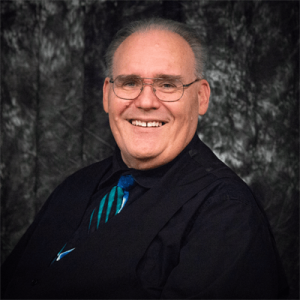
The Certified Clinical Trauma Specialist for Family (CCTS-F) training, presented by Dr Robert Rhoton, PsyD, LPC, F.A.A.E.T.S., is a 3-day training designed to equip clinicians and helping professionals with a working knowledge of trauma treatment within a family context.
Family trauma rarely sits neatly within one person. It moves through relationships, caregiving patterns, attachment ruptures, emotional regulation, conflict, grief, mistrust, and survival strategies that may have been shaped across generations. A child’s aggression may be labelled as “bad behaviour”. A parent’s withdrawal may be mistaken for indifference. A family’s resistance may be understood as non-compliance, when these may in fact reflect the biological and relational consequences of toxic stress, adversity, and trauma.
This training guides participants beyond simply “fixing” symptoms or managing crises. Drawing on evidence-based, leading-edge interventions and protocols, CCTS-F helps clinicians understand the family as a living relational ecosystem; one where healing requires safety, regulation, coherence, and the restoration of capacity across the family system.
At the heart of the course is an “active ingredients” approach to trauma treatment. Rather than replacing the family therapy models in which clinicians are already trained, CCTS-F strengthens clinical effectiveness across models by helping participants identify the dynamic elements that support stabilization, self-regulation, trauma resolution, grief work, and post-traumatic growth.
This training also introduces a salutogenic approach, shifting the focus from pathology and deficits toward assets, resilience, coherence, and biological capacity. Participants will learn to view behaviour as communication, regulation as foundational, and family healing as the creation of safer relational environments where lasting change becomes possible.
Learning Objectives Tailored for Family Trauma Practice
- During this training, you will learn to:
- Reframes family trauma through the “seven hurdles”, helping counsellors move families from blame and bad-person narratives toward injury, containment, and repair.
- Explores how ACEs and household dysfunction (parental mental illness, DV) shape development, helping counsellors understand behaviour as biology rather than pathology, and advocate for family stabilisation.
- Examines how schools, justice, and care systems can retraumatise children by punishing survival responses, equipping counsellors to translate trauma neurobiology into practice.
- Introduces Sense of Coherence and Generalised Resistance Resources, shifting the focus from deficits to the resources that help families understand, manage, and withstand stress.
- Grounds trauma-informed engagement in consent, choice, and shared planning, helping children and families experience safety, agency, and control within the therapeutic process.
- Teaches counsellors to recognise hyperarousal, hypoarousal, and collapse, and to use regulation strategies before moving into dialogue, insight, or problem-solving.
- Uses genograms to map intergenerational trauma, resilience, silence, loyalty, and family roles, revealing how past injuries continue to shape present relationships.
- Introduces small, repeatable agreements that rebuild trust through consistent attachment behaviours, making repair concrete, manageable, and observable.
- Equips counsellors to stabilise escalating family systems by acting as a regulating presence and helping members return to safety before conflict hardens.
- Integrates trauma-informed genograms, micro-contracts, and regulation tools into a practical roadmap for strengthening relational safety and supporting trauma-informed family repair.
- Emphasises clinician readiness, positioning the therapist’s own regulation as the homeostatic anchor that allows safe, attuned, and effective family work.
Powerful Benefits for Clinicians and Helping Professionals:
- A Stronger Family Trauma Lens: Understand trauma not only as an individual experience, but as something that shapes attachment, caregiving, communication, emotional regulation, family roles, and relational safety.
- Greater Confidence with Complex Presentations: Learn to work more effectively with families where trauma appears as conflict, resistance, dysregulation, mistrust, withdrawal, grief, aggression, or repeated crises.
- A Shift from Pathology to Capacity: Move beyond a disease-centric or deficit-focused approach by identifying family strengths, protective resources, survival adaptations, and existing capacities for change.
- Practical Tools You Can Apply Immediately: Gain interventions and protocols that can be integrated into counselling, family therapy, social work, school counselling, child and youth work, and other helping practices.
- Improved Stabilization and Self-Regulation Work: Develop skills to help clients and families regulate before attempting deeper trauma processing or cognitive problem-solving.
- Clearer Treatment Progression: Learn how to assess readiness, pace treatment, and move from safety and stabilization toward trauma memory processing with greater clinical clarity.
- Stronger Family Engagement: Learn ways to explain traumatic stress that reduce blame, increase collaboration, and help family members make better sense of one another’s responses.
- Enhanced Trauma Narrative Work: Build skills in verbal, graphic, and non-verbal trauma narratives to support meaning-making, integration, and recovery.
- Better Support for Grief and Bereavement: Strengthen your ability to support natural mourning processes, while recognizing when grief has become blocked, complicated, or thwarted.
- Greater Clinician Sustainability: Develop a more grounded and structured approach to complex family trauma work, reducing overwhelm and supporting more confident, compassionate practice.
What You Will Receive at the End of This Training:
- Access to ongoing weekly mentoring with Dr Robert Rhoton to support the practical application of skills learnt during the training.
- Meets educational requirement to apply for CCTS-F certification from Trauma Institute International after completion of the training workshop.
- A certificate of attendance from the Arizona Trauma Institute (ATI).
- Participants may clock the 18 training hours as part of their Counselling Professional Development (CPD) hours.
- 1 soft-copy workshop manual.
Who Should Attend:
- Therapists
- Counsellors
- Clinicians
- Family therapists
- Child and adolescent mental health professionals
- Social workers
- Case workers
- School counsellors
- Youth workers
- Family service professionals
- Helping professionals working with children, parents, caregivers, couples, and families affected by trauma
- Anyone keen on supporting trauma survivors within a family context
Enrol Now – Strengthen the Way You Work with Family Trauma
Trauma does not occur in isolation, and healing often requires more than individual symptom reduction. Families need safety, coherence, regulation, understanding, and relational repair.
The CCTS-F training equips clinicians and helping professionals with a practical, structured, and compassionate framework for supporting trauma recovery within the family system. Whether you work with children, parents, caregivers, couples, or whole families, this course will help you better understand the biology of trauma, strengthen family engagement, and support meaningful change across the relational environment.
Take this step to expand your trauma practice and deepen your capacity to support families from surviving toward healing, resilience, and connection.
REGISTER HERE
Disclaimer:
Materials in this course may include interventions and modalities that are beyond the authorised scope of expertise or licence of the training participant. As a licensed professional, you are responsible for reviewing your scope of practice, including activities that are defined in law as beyond the boundaries of practice, in accordance with and in compliance with your profession’s standards.
Additionally, many of the topics being taught may require supervision and/or mentorship, which is not included in this course.