
|

Trauma Therapy |

Types of Trauma
Trauma can arise from many different life experiences, and no two people respond to it in exactly the same way. Trauma therapy in Singapore recognises that understanding the nature of a person’s experiences is an important step towards providing appropriate care and support.
Acute Stress Disorder
After a traumatic or deeply distressing experience, some people may find themselves feeling constantly on edge, emotionally overwhelmed, or unable to calm their thoughts and physical reactions. Acute Stress Disorder (ASD) can develop in the days or weeks following trauma and may involve anxiety, panic, intrusive memories, emotional numbness, sleep difficulties, or feeling disconnected from reality.
These responses can feel frightening and disorientating, especially when daily routines suddenly become difficult to manage. Early support may help individuals better understand what they are experiencing and develop healthier ways to cope during this period of distress.
Relational Trauma
Relational trauma develops through painful or harmful relationship experiences that occur repeatedly over time. Unlike trauma linked to a single event, relational trauma often grows gradually through ongoing emotional neglect, manipulation, criticism, instability, abuse, or environments where emotional safety was lacking.
These experiences can affect how a person sees themselves, trusts others, and responds within relationships later in life. Many individuals carry feelings of shame, fear, emotional guardedness, or difficulty feeling secure and understood, even long after the relationships themselves have ended.
-
Childhood Relational Trauma
Childhood relational trauma often begins during important developmental years when children rely heavily on caregivers for safety, comfort, and emotional support. Experiences such as neglect, inconsistent caregiving, emotional abuse, excessive criticism, or exposure to conflict can shape how a child learns to cope with emotions and relationships.
As adults, individuals may continue struggling with low self-worth, emotional dysregulation, difficulty trusting others, people-pleasing tendencies, or fear of abandonment without fully recognising how these patterns developed. The effects are often deeply rooted and may continue influencing emotional well-being and relationships over time.
-
Adult Relational Trauma
Relational trauma can also develop in adulthood through unhealthy or emotionally damaging relationships. Experiences involving betrayal, emotional manipulation, abandonment, controlling dynamics, or repeated emotional harm may leave individuals feeling anxious, emotionally exhausted, or unable to feel secure in relationships.
Some people may become highly guarded, fearful of closeness, or overly dependent on reassurance. Others may struggle with anger, shame, guilt, or difficulty understanding why certain relationship patterns continue repeating themselves. Therapy can help individuals explore these experiences more safely and develop healthier relational boundaries and coping strategies.
Developmental Trauma
Developmental trauma refers to the long-term impact of chronic stress, neglect, abuse, or emotional instability experienced during childhood. When a child grows up in an environment that feels unpredictable, unsafe, or emotionally unsupported, it can affect emotional development, self-regulation, attachment, and the ability to feel safe in relationships.
The effects may continue into adulthood in ways that are not always immediately obvious. Some individuals experience chronic anxiety, emotional numbness, difficulty managing stress, or persistent feelings of shame and inadequacy. Others may struggle with identity, self-esteem, or maintaining stable relationships.
Extreme Or Dissociative Trauma
Dissociation is a coping response that can occur when experiences feel emotionally or psychologically overwhelming. Some individuals describe feeling detached from themselves, disconnected from their surroundings, emotionally numb, or as though parts of their experiences do not feel fully real.
While dissociation can help the mind cope during distressing situations, ongoing dissociative experiences may interfere with daily life, emotional connection, concentration, or memory. For many individuals, these experiences can feel confusing or difficult to explain, especially when they occur automatically in response to stress or triggers.
Post-Traumatic Stress Disorder
Post-Traumatic Stress Disorder (PTSD) may develop after experiencing or witnessing traumatic events that felt life-threatening, deeply distressing, or emotionally overwhelming. Symptoms can include intrusive memories, flashbacks, nightmares, heightened alertness, avoidance of reminders, emotional distress, or feeling constantly unsafe even when danger has passed.
The experience of PTSD differs from person to person. Some individuals notice symptoms shortly after the event, while others may only begin struggling months later. With appropriate therapeutic support, many people gradually learn ways to manage symptoms, process trauma more safely, and regain a greater sense of stability in daily life.
Signs and Symptoms of Trauma
Trauma affects people differently. Some responses appear soon after a distressing experience, while others may only become noticeable much later. In many cases, individuals do not immediately connect their emotional or physical struggles to trauma, especially when they have spent a long time trying to cope on their own.
Some people feel constantly on edge, emotionally overwhelmed, or unable to relax even in safe environments. Others may feel emotionally numb, detached from themselves, or disconnected from the people around them. Everyday situations, sounds, places, or interactions can sometimes trigger strong emotional or physical reactions without warning.
Trauma responses are not simply “overreactions”. They are often the mind and body’s attempt to stay protected after experiencing something that felt deeply distressing or unsafe.
Common signs and symptoms may include:
- Feeling intense fear, helplessness, shame, or emotional overwhelm linked to past experiences.
- Recurrent and intrusive memories, flashbacks, or distressing thoughts about the traumatic event.
- Strong emotional or physical distress when exposed to reminders associated with the trauma.
- Avoiding certain thoughts, feelings, conversations, places, or situations connected to painful experiences.
- Feeling emotionally numb, detached, disconnected, or struggling to recall parts of the traumatic experience.
- Sleep difficulties, irritability, emotional reactivity, or difficulty concentrating.
- Hypervigilance, heightened alertness, or being easily startled even in everyday situations.

Signs You May Benefit from Trauma-Focused Therapy
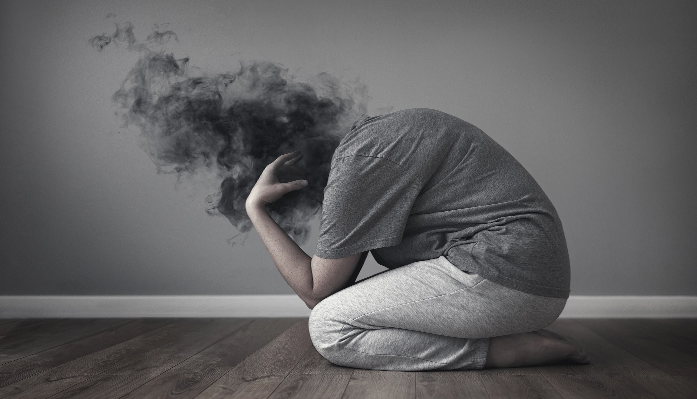
Trauma can affect people in different ways, sometimes immediately and sometimes only years later. While some responses are intense and noticeable, others appear more quietly through emotional numbness, anxiety, exhaustion, relationship difficulties, or feeling constantly on edge.
The following signs may suggest that unresolved trauma is continuing to affect your emotional well-being and daily life.

Intrusive Memories or Flashbacks
Some individuals continue reliving distressing experiences through unwanted memories, nightmares, flashbacks, or sudden emotional reactions. These experiences can feel emotionally exhausting and may interfere with sleep, concentration, and the ability to feel present in daily life.

Avoidance of Reminders
Avoiding certain places, conversations, people, or situations may feel protective in the short term, especially when reminders trigger distress. Over time, however, avoidance can gradually narrow daily life and make it harder to feel emotionally safe or fully engaged.

Intense or Uncontrolled Emotions
Trauma can affect emotional regulation in ways that feel difficult to manage. Feelings such as fear, anger, sadness, shame, or panic may arise unexpectedly or feel far more intense than the situation warrants, creating strain in work, relationships, or everyday interactions.

Difficulties Functioning in Daily Life
When trauma remains unresolved, even ordinary responsibilities can begin to feel overwhelming. Some individuals struggle with concentration, motivation, decision-making, work demands, parenting responsibilities, or maintaining routines they previously managed with ease.

Emotional Numbness or Detachment
Not all trauma responses involve intense emotion. Some individuals feel emotionally disconnected, empty, or unable to fully engage with themselves or the people around them. Others describe feeling as though they are simply “going through the motions” without feeling fully present.

Negative Beliefs or Changes in Self-Perception
Traumatic experiences can shape how individuals view themselves and the world around them. Persistent guilt, shame, self-blame, fear, or feelings of worthlessness may gradually affect confidence, identity, and emotional well-being over time.

Hyperarousal or Sleep Disturbances
The nervous system may remain in a heightened state long after a traumatic experience has ended. This can appear as difficulty sleeping, irritability, restlessness, hypervigilance, or being easily startled, even during ordinary situations that do not pose immediate danger.

Relationship Difficulties
Trauma can affect trust, emotional closeness, communication, and the ability to feel safe within relationships. Some individuals become highly guarded or withdrawn, while others may experience recurring conflict, fear of abandonment, or difficulty maintaining stable emotional connections.

Thoughts of Self-Harm
When emotional distress becomes overwhelming, some individuals may experience thoughts of harming themselves or feel hopeless about their situation. These experiences should be taken seriously and deserve immediate professional support and care.
If you are struggling with thoughts of self-harm or feel unable to keep yourself safe, it is important to seek urgent support from a mental health professional or emergency service.
Long-Term Benefits of Trauma Therapy
Healing from trauma is often gradual. While therapy does not erase painful experiences, it can help individuals feel less controlled by them over time and better able to reconnect with daily life, relationships, and themselves.
Trauma therapy provides a supportive space to process difficult emotions and experiences safely. Over time, many individuals begin to feel less emotionally overwhelmed and more able to move forward without the past feeling constantly present.
Trauma can make emotions feel unpredictable or difficult to manage. Therapy may help individuals better understand their emotional responses and develop healthier ways to cope with fear, anger, sadness, anxiety, or emotional overwhelm.
Through therapy, individuals can learn practical grounding and self-regulation strategies that support them during stressful situations, triggers, or emotionally difficult periods in daily life.
Trauma can affect trust, communication, and emotional closeness. As individuals gain greater awareness of their emotional patterns and responses, relationships may gradually begin to feel safer, healthier, and more stable.
Therapy often helps individuals better understand how past experiences may have shaped their thoughts, behaviours, emotional reactions, and coping patterns. This awareness can support personal growth and emotional healing over time.
Many people living with unresolved trauma continue feeling constantly alert, guarded, or emotionally unsafe. Therapy can help individuals slowly rebuild a greater sense of emotional stability and safety within themselves and their surroundings.
As individuals develop healthier coping strategies and emotional insight, many begin regaining a stronger sense of confidence, self-direction, and control in their lives.
Addressing unresolved trauma may help reduce the long-term emotional strain associated with ongoing stress, anxiety, emotional burnout, or other mental health difficulties that can develop when distress remains unprocessed over time.
Why Choose EMCC for Trauma-Focused Therapy
Seeking support for trauma can feel deeply personal and, at times, difficult to begin. At EMCC, we provide a supportive and respectful environment where individuals can explore their experiences at a pace that feels manageable and safe.

Experienced Trauma-Informed Counsellors
Our counsellors are trained to work sensitively with individuals experiencing the emotional and psychological effects of trauma, while recognising that every person’s experience is different.

Safe and Confidential Environment for Healing
Therapy sessions are conducted in a private, supportive, and non-judgemental setting where individuals can speak openly without pressure or fear of criticism.

Evidence-Informed and Integrative Approaches
Our counsellors draw on established therapeutic approaches and tailor support to each individual’s emotional needs, experiences, and therapy goals.

Individualised Support
There is no fixed timeline for healing. Therapy is paced according to each person’s readiness, emotional capacity, and personal circumstances.

Personalised Support for Every Journey
As needs change over time, therapy approaches may also be adjusted to better support emotional regulation, coping, relationship challenges, and day-to-day functioning.

Holistic Support Beyond the Sessions
Trauma can affect many areas of life. Alongside emotional processing, therapy may also focus on practical coping strategies, emotional resilience, and rebuilding stability in everyday life.
You Don’t Have to Face Trauma Alone
Living with trauma can feel exhausting, isolating, and difficult to explain to others. Even when life appears normal on the outside, many individuals continue carrying fear, emotional pain, hypervigilance, or a sense of disconnection that affects daily life and relationships.
At EMCC, therapy provides a supportive space to process these experiences safely and gradually. The goal is not to force you to revisit painful memories before you are ready, but to help you better understand your responses, regain emotional stability, and move forward with greater self-awareness and support.