
Key Takeaways
- Stress and burnout develop differently; stress is often short-term, while burnout stems from prolonged, unrelieved strain that drains emotional and physical energy.
- Becoming aware of emotional and physical signs such as fatigue, detachment, or loss of motivation helps identify when daily pressure has become overwhelming.
- Early awareness enables individuals to seek timely support, preventing prolonged exhaustion and restoring balance in their daily life.
- Professional counselling offers a guided path to rebuild resilience, strengthen emotional wellbeing, and promote sustainable coping strategies.
Introduction
Stress and burnout often look similar, but stem from very different psychological states. Stress occurs when external pressures push you to stay alert and perform, while burnout develops when those pressures persist without relief. The difference between stress and burnout lies in intensity and recovery; stress keeps you engaged but tense, whereas burnout leaves you emotionally detached, physically drained, and unable to recover motivation or joy.
Stress

Emotional State
Stress is a natural response to life’s demands, such as meeting deadlines, conflicts, or major transitions. While it may feel overwhelming, it’s often temporary and can motivate you to act. During stress, emotions run high: anxiety, frustration, or irritability may surface, but you generally retain a sense of being able to manage your responsibilities.
Engagement
In stressful periods, people often become hyper-focused or over-engaged, striving to meet expectations despite the pressure. The drive to “push through” remains strong. However, ignoring prolonged chronic stress symptoms, such as poor sleep, headaches, or muscle tension, can escalate stress into something more serious and detrimental.
Motivation and Recovery
Even when tense, a stressed person usually believes relief is possible. A weekend rest, exercise, or professional help through counselling in Singapore can ease the load. This ability to bounce back marks a clear difference between stress and burnout: stress allows for recovery, while burnout makes it feel impossible to regain energy or motivation.
Burnout
Emotional State
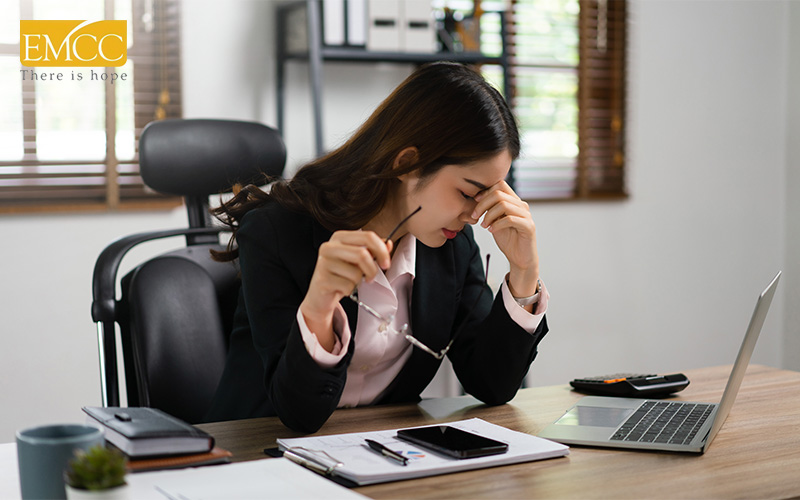
Burnout goes beyond pressure; it’s a state of deep mental exhaustion where emotional reserves are depleted. Instead of anxiety, you may feel numb or cynical, disconnected from work, people, or activities that once brought meaning.
Engagement
When burnout sets in, engagement will then fade. You may start avoiding responsibilities, feeling hopeless, or indifferent. This is not laziness, but rather the body and mind’s way of signalling that they’ve reached their limits. This is where early professional intervention, such as individual counselling for adults, becomes essential to rebuild emotional resilience.
Motivation and Physical Symptoms
Unlike stress, where motivation often remains, burnout saps it completely. Fatigue becomes constant, sleep offers no relief, and energy feels permanently low. Physical signs may include lingering pain, weakened immunity, or recurring illnesses. Recognising the difference between stress and burnout helps prevent these symptoms from worsening over time.
How to Tell the Difference in Practice
Recognising the difference between stress and burnout often comes down to observing how your mind and body respond over time. Below are some key contrasts that reveal when regular stress has progressed into burnout:
1. Mental State
Stress: You may feel “wired,” pressured, or tense, but you still care about your goals and responsibilities.
Burnout: You begin to feel emotionally empty or detached, losing interest in things that once mattered.
2. Emotional Energy
Stress: Emotions like worry, frustration, or urgency are heightened, yet moments of satisfaction or joy still occur.
Burnout: Emotions flatten, and you may feel cynical, hopeless, or disconnected from both work and relationships.
3. Motivation
Stress: Despite exhaustion, you remain driven to overcome challenges, believing that relief is possible with effort or rest.
Burnout: Motivation fades completely. Even simple tasks feel overwhelming or meaningless.
4. Physical Impact
Stress: Physical tension, restlessness, or headaches may appear, but these usually improve with proper rest or self-care.
Burnout: Fatigue becomes chronic. Illnesses recur, and recovery feels slow or incomplete due to long-term depletion.
The difference between stress and burnout becomes clear through these patterns: stress typically responds to temporary overload, while burnout signals a prolonged neglect of emotional and physical needs. Recognising these early warning signs empowers individuals to take restorative steps, such as practising self-care, having honest conversations with loved ones, or seeking family counselling in Singapore, before deeper psychological strain affects their relationships and overall wellbeing.
Why Early Recognition Matters

Catching the signs early can prevent months or even years of decline. Understanding the signs of burnout vs stress helps individuals recognise when everyday pressure is shifting into deeper exhaustion. While stress can often be managed through balance and healthy coping habits, it’s important to recognise when support is needed.
Burnout, however, requires a more structured approach, such as rebuilding motivation, redefining boundaries, and restoring purpose. By learning to differentiate the two, individuals can seek timely support and protect their overall wellbeing.
Coping With Stress and Preventing Burnout
Managing emotional and physical strain early can make a lasting difference in recovery. Beyond rest or short breaks, effective coping means establishing healthy routines and realistic boundaries that protect both energy and emotional balance. Relaxation techniques such as mindfulness, breathing exercises, and light physical activity can also help calm the body’s stress response.
Equally important is maintaining strong connections. Spending time with trusted family or friends offers emotional grounding and perspective during difficult periods. Taking small, practical steps, such as organising tasks, delegating responsibilities, and scheduling regular rest, can help further reduce feelings of overwhelm.
When self-care alone is not enough, professional counselling can provide valuable support. In a safe, supportive space, individuals can identify triggers, rebuild motivation, and develop personalised strategies to strengthen long-term resilience and well-being.
Conclusion
Understanding stress and burnout goes beyond mere definitions; it’s an essential act of self-awareness and care. Eagles Mediation & Counselling Centre (EMCC) helps individuals and organisations recognise these patterns and build resilience through compassionate, evidence-based support. By creating space for reflection and recovery, EMCC continues its mission to bring hope, healing, and balance to those navigating life’s challenges.
If you or someone you know is feeling emotionally drained or overwhelmed, reach out to EMCC today to begin the journey toward renewed clarity and wellbeing.