
Introduction

Generational trauma refers to unresolved pain, beliefs, and behaviours that are unconsciously passed down through families. It often becomes part of a family’s emotional fabric, shaping how people cope, communicate, and relate to one another, often without fully realising it.
These patterns can appear in many forms, including harsh or withdrawn parenting styles, unspoken tension, rigid expectations, or long-standing patterns of neglect and emotional silence. Because they may feel normal or familiar, they are harder to identify, yet their impact can be deeply felt.
If these challenges are left unresolved, they can place pressure on marriages, disrupt parent–child connections, and shape the way individuals respond to stress, conflict, and emotional closeness. Over time, these effects can extend beyond the household and shape the emotional climate of wider communities.
In Singapore, rising awareness of mental health has encouraged more people to recognise and address the inherited patterns that influence family dynamics. Many people are beginning to see how earlier family experiences continue to influence present behaviour, and how healing can benefit the entire family unit.
Therapy provides a safe and supportive environment for individuals and families to explore and make sense of their emotional inheritance. It helps them examine long-held beliefs, uncover unspoken narratives, and better understand how past experiences continue to shape their emotional responses and relationship dynamics.
This process encourages greater resilience, strengthens relationships, and enhances emotional awareness. Most importantly, healed emotional scars create a more supportive and renewed hope for the next generation. As more people learn about generational trauma, they gain the clarity needed to recognise its influence and begin taking meaningful steps toward healing.
Key Takeaways
- Understanding how emotional wounds are passed down helps families recognise long-standing patterns and begin meaningful change.
- Therapy provides a safe and supportive space for individuals to explore difficult experiences and rebuild healthier ways of relating.
- Healing unfolds gradually, guided by awareness, self-reflection, and the development of new coping and communication skills.
- Breaking harmful cycles strengthens family relationships and creates a more supportive and nurturing environment for future generations.
Part 2: Understanding Generational Trauma
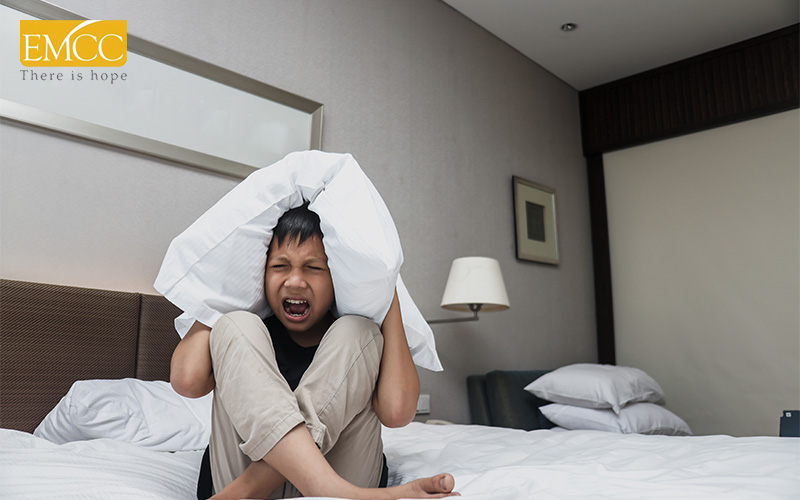
2.1. The Nature of Trauma Transmission
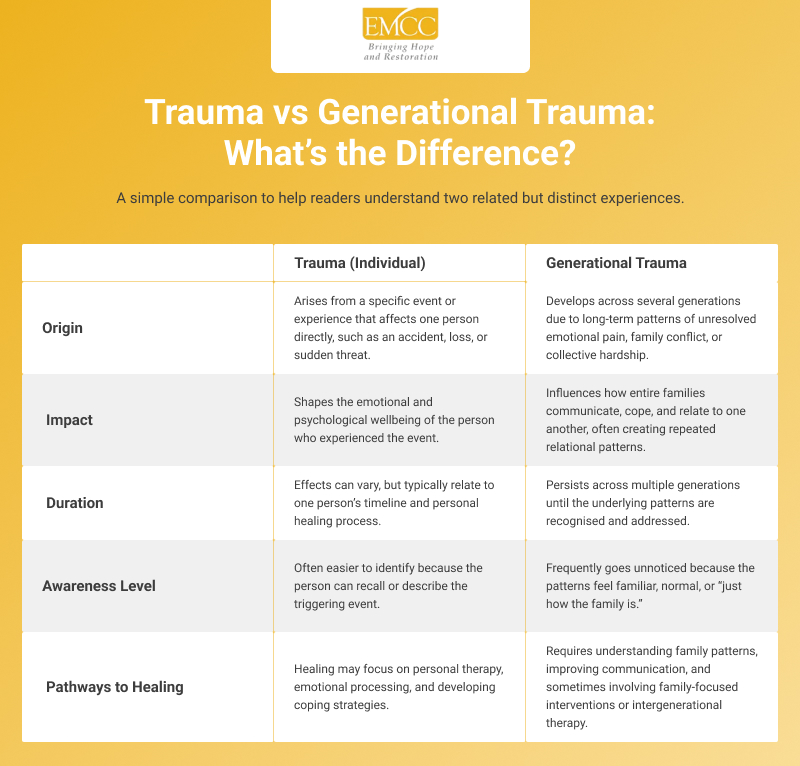
Understanding how generational trauma develops and moves through families helps individuals recognise harmful patterns before they become deeply rooted. Many individuals realise that some of their reactions, fears, or beliefs were shaped by earlier family experiences rather than their own.
When there is little awareness, patterns like pulling away emotionally, using strict discipline, or steering clear of conflict can start to seem ordinary. Because these behaviours are familiar, they are easily passed down, even when they create distress or distance. Over time, these responses may influence how family members communicate, cope with stress, or show affection.
Psychoeducation in therapy helps individuals and families identify these inherited patterns and understand how generational trauma influences their emotional reactions. Once people have the language to describe these experiences, they often feel more empowered to make intentional and healthier choices. Families often feel more empowered when they gain the language to describe their experiences and the tools needed to shift long-standing dynamics.
Key Factors That Influence Trauma Transmission:
- Biological factors: Prolonged stress affects how the body regulates fear and emotional responses. Research on epigenetics suggests that trauma can influence how genes express stress-related behaviours across generations.
- Psychological factors: Children often mirror what they observe or what they were imposed. If earlier generations struggled with emotional suppression or internalised fears, younger family members may learn similar ways of coping.
- Relational factors: Communication breakdowns, discomfort with vulnerability, and unhealthy conflict habits shape how families relate to one another. When earlier generations avoid sensitive conversations or struggle to repair conflict, younger generations may inherit similar patterns that hinder closeness, sense of safety, and trust.
2.2. Common Signs of Generational Trauma
Difficulties with emotional regulation, such as anger, anxiety, or persistent sadness, often indicate unresolved issues that have been carried from one generation to the next. These emotional patterns may feel overwhelming or unpredictable, especially when individuals are unaware that these reactions may be linked to generational trauma.
Another common sign is struggles with trust and intimacy in close relationships. People may find it hard to let others in, or they may fear abandonment or rejection without fully understanding the reason for these fears. Many of these challenges reflect well-known childhood trauma effects, which can influence how people form and maintain attachments later in life.
Recurring patterns of abuse, neglect, or controlling behaviours can emerge when earlier wounds are left unaddressed. Families may unintentionally repeat what they once experienced, reinforcing cycles that are commonly associated with generational trauma.
Furthermore, reliance on substances or addictive coping mechanisms may develop when individuals attempt to manage overwhelming emotions without support.
Identity confusion and long-term low self-esteem often arise when someone grows up in an environment where emotional needs were consistently overlooked or dismissed.
Finally, cultural or family-based stigma that discourages seeking help can make the healing process feel even more challenging. Many people worry about being judged or misunderstood if they choose to reach out for support.
2.3. The Impact on Families and Communities
Family dynamics often become strained when generational trauma shapes communication and emotional responses. Conflicts may remain unresolved for long periods, creating emotional distance or long stretches of silence. These patterns can last for many years and shape how family members relate to one another and manage disagreements.
Marriages and parent-child relationships may be affected by misaligned expectations, emotional disconnection, or recurring conflict. Even when individuals want to change, they may struggle to shift long-standing patterns and emotional experiences rooted in generational trauma.
Communities may also experience broader effects, including social tension, isolation, and the continuation of harmful norms. When many families carry similar unresolved experiences, these patterns influence how society perceives vulnerability, mental health, or emotional expression.
In Singapore’s multicultural setting, inherited beliefs linked to shame, saving face, emotional restraint, and/or ill-conceived resilience can affect how trauma is carried forward. These values shape how families communicate, cope with hardship, and decide when to seek support.
Part 3: How Therapy Helps Break the Cycle
3.1. Creating a Safe Space for Healing
Therapy provides a supportive and nurturing environment where individuals feel seen, heard, and validated. Many people carry emotional wounds shaped by generational trauma, and these experiences can feel too heavy or confusing to express. Having a consistent space dedicated to understanding these feelings can be deeply reassuring. Many begin this journey through individual counseling for adults, where they can explore their concerns in a focused and personal setting.
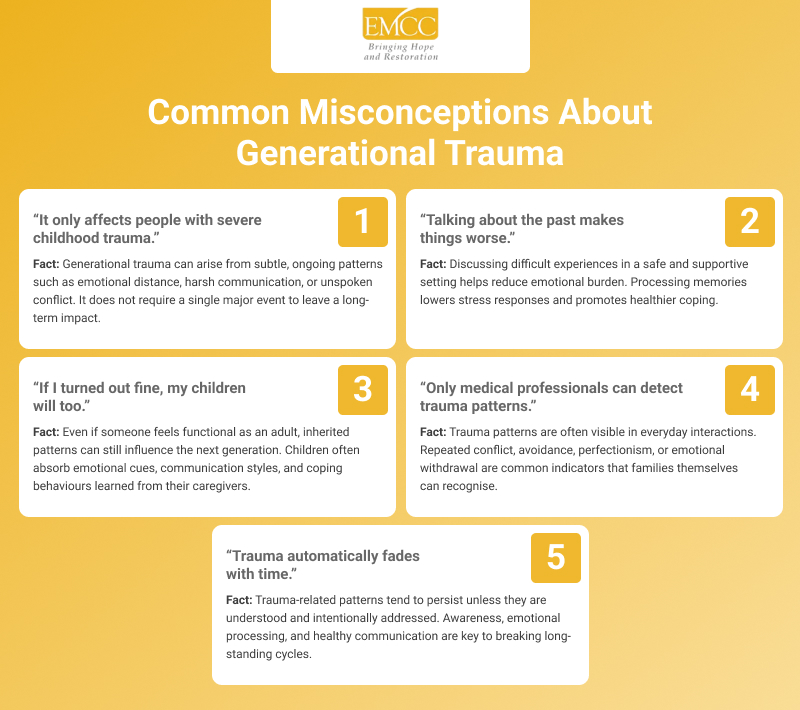
Generational trauma often develops in silence, which makes speaking openly about painful experiences extremely challenging. Families may avoid discussing difficult events, and earlier generations may have normalised dismissive or harsh responses to emotional struggles or abuses. This lack of open communication can make individuals feel isolated or unsure of how to articulate their needs, especially when patterns of generational trauma have been present for many years.
Counsellors offer confidentiality, empathy, and guided conversations in a calm, non-judgemental space where clients can speak at their own pace. This sense of safety allows individuals to process long-suppressed experiences without fear of judgement or rejection, gaining relief, clarity, and a renewed sense of emotional strength.
How Therapists Support the Healing Process:
- The therapeutic alliance is built on empathy, confidentiality, and a non-judgemental relationship that encourages openness.
- Clients are encouraged to express emotions that may have been suppressed for many years.
- Therapy helps reduce shame and guilt that often accompany family-related trauma by supporting individuals in understanding the origins of emotional patterns.
This foundation allows individuals to approach their healing journey with greater confidence and emotional strength.
3.2. Tools and Approaches Used in Therapy
Counselling Approaches:
- Narrative Therapy focuses on reframing personal and family stories in healthier and more empowering ways. It helps individuals separate themselves from painful narratives that may have shaped their beliefs or choices.
- Cognitive Behavioural Therapy (CBT) helps challenge harmful thought patterns that stem from past trauma. It teaches individuals to replace automatic negative thoughts and replace them with more balanced and supportive interpretations.
- Family Systems Therapy explores family roles and long-standing generational dynamics. This approach helps clients understand how patterns within the family unit influence their relationships and emotional responses. It is also commonly used in family counselling in Singapore, where families seek support to improve communication and rebuild healthier relational patterns.
- Trauma-Informed Care prioritises emotional safety and empowerment with salutogenic approach throughout the healing process. It recognises the impact of trauma on the mind and body and ensures that clients feel safe, supported, and in control. Many individuals also seek trauma therapy in Singapore to better understand their emotional responses and receive structured support that helps them process difficult experiences and discover their inherent capacities and competencies.
Mediation Approaches
Mediation provides a structured way for families to address conflicts that may have persisted for years. It can be particularly helpful in supporting meaningful conversations that may not happen naturally at home, especially when tension has built up over time. Families who need a neutral and structured space facilitated by trained professionals can also seek support at a mediation centre in Singapore, where trained professionals can facilitate difficult conversations safely.
The process helps improve communication, reduce misunderstandings, and support family conflict resolution therapy goals.
3.3. The Healing Process: Step by Step
Understanding what to expect in therapy helps reduce fears and misconceptions about the process. Many people enter therapy unsure of how sessions work or how emotional healing unfolds, especially when grappling with the complex, lingering effects of generational trauma.
These clients often carry deep-seated anxieties, worrying that therapy will feel overwhelming or that it will be a process that never comes to an end. They may also fear that revisiting the past will be too painful. This fear of becoming emotionally vulnerable is amplified when their experiences have been directly shaped by patterns of silence or dismissal linked to generational trauma.
For this reason, explaining the structure of therapy helps clients understand that the trauma recovery process unfolds not chaotically, but in gradual and purposeful stages. This step-by-step approach ensures that each stage builds on the previous one, creating a sense of progression and stability.
This clarity provides clients with realistic expectations and a sense of direction, directly supporting their efforts in breaking unhealthy family patterns. When individuals understand the journey ahead, they often feel more motivated, hopeful, and committed to their own long-term growth.
Key Stages in the Healing Journey:
- Recognition: Identifying patterns, triggers, and inherited beliefs that influence current behaviours and relationships.
- Processing: Exploring emotions and memories while understanding their impact on daily life and personal wellbeing.
- Reframing: Challenging negative beliefs and replacing limiting interpretations with healthier perspectives that encourage emotional growth.
- Rebuilding: Developing new coping strategies, relational skills, and clearer personal boundaries that support long-term resilience.
- Sustaining: Applying therapeutic insights to parenting, marriage, friendships, and community interactions in everyday life over time.
3.4. Real-Life Scenarios (Case-Based Illustrations)
Therapy supports people from diverse backgrounds and life stages as they uncover and heal the emotional burdens passed down from previous generations. Many clients begin to realise that their struggles are connected to generational trauma, helping them understand that their reactions are shaped by more than just personal experiences.
These scenarios highlight how individuals gain insight into where their difficulties come from and take steps toward creating healthier dynamics within their families. Examples include:
- A young parent learning to replace harsh discipline with empathy, patience, and emotional attunement, especially when they realise their responses mirror what they experienced as a child.
- A married couple recognising how childhood neglect influences their current communication and conflict patterns, leading them to develop healthier ways of listening and expressing needs.
- An adult child confronting inherited shame or perfectionism shaped by long-standing family expectations that prioritised achievement over emotional wellbeing.
- A professional noticing that overworking or people-pleasing behaviours began as a way to seek approval in childhood, and learning to set healthier limits that support their wellbeing.
- A caregiver managing guilt and resentment that stem from generational beliefs about self-sacrifice and duty, and discovering more balanced ways to care for both their family and themselves.
Each scenario demonstrates how therapy helps individuals understand the origins of their struggles, reshape their emotional and relational patterns. Through this process, clients often discover how generational trauma has shaped their worldview and begin making changes that support long-term healing.
Conclusion

Generational trauma can leave a deep and long-lasting impact, yet it does not need to shape the course of the future. Families and individuals can recognise these patterns, understand where they come from, and begin choosing healthier paths forward.
Therapy plays a vital role in this process. Seeking counselling in Singapore offers a structured, compassionate space to explore difficult emotions, develop resilience, and break unhealthy family patterns.
As individuals heal, the positive effects naturally extend to the people around them.
Relationships often become more compassionate and open, and families discover healthier ways to connect, communicate, and support each other. Over time, these changes ripple outward and contribute to stronger and more resilient communities.
Addressing these inherited patterns today creates a more emotionally supportive foundation for the next generation. Every effort made now becomes a meaningful investment in a kinder, more resilient future.
Those who feel ready to begin this journey can take a meaningful first step by reaching out to Eagles Mediation and Counselling Centre for a counselling session. A trained professional can offer clarity, guidance, and emotional support throughout the healing process.
Book an appointment with EMCC today to begin your journey towards a healthier and more hopeful future.
Questions You Might Ask
1. What exactly is generational trauma?
Generational trauma refers to the unresolved pain, behaviours, and beliefs that are passed from one generation to the next, often without conscious awareness. It can show up in different ways, such as harsh parenting, emotional neglect, unspoken family conflict, or persistent feelings of fear and insecurity that do not seem to have a clear starting point.
2. How do I know if my family has generational trauma?
You can begin by looking for repeating patterns across different family members or over several generations. These may include recurring conflict, long periods of silence, strained or distant relationships, or coping through avoidance, anger, or emotional withdrawal. When these patterns appear across several family members or over long periods, they may point to deeper inherited struggles that have not been addressed.
3. Why should I care about breaking these patterns?
Unaddressed trauma does not stay contained within one person. It can shape parenting styles, influence communication in close relationships, and affect how family members handle stress or conflict. These patterns can also shape the emotional wellbeing of children and may continue into future generations if left unaddressed. Breaking the cycle helps build healthier relationships, stronger families, and more supportive communities.
4. Is therapy really necessary for this?
Therapy is highly beneficial because it provides more than just awareness. It provides a structured and supportive environment where individuals can safely explore painful experiences and understand the origins of their reactions. Through this process, they can also develop healthier ways of coping. Professional guidance helps rebuild trust, improve communication, and create long-term emotional change that is difficult to achieve alone.
5. How can Eagles Mediation and Counselling Centre support me in this journey?
Eagles Mediation and Counselling Centre offers counselling and mediation services that guide individuals, couples, and families in recognising harmful patterns and processing them in safe and constructive ways. Their practitioners support clients as they work through difficult emotions, strengthen relationships, and build resilience, providing a steady foundation for healing across generations.