|

|
Counselling
|
What is Counselling
Counselling is the process of helping individuals, couples, and families work through challenging issues, find ways to cope better with struggles, and bring about positive changes.
Counselling helps
Individuals to
- Develop coping strategies to deal with mental health issues.
- Explore personal resources to overcome challenges.
Couples to
- Resolve conflicts and repair relational wounds gently.
- Make informed decision whether to stay in a marriage or end it amicably.
Families to
- Enhance attachment for strong parent-child or family relationships.
- Co-create solutions and resolve problems together.
Counselling Services we provide
-
Individual Psychotherapy
-
Pre-Marital and Marriage Preparation
Pre-marriage counselling helps couples prepare for marriage by addressing key areas such as communication, conflict resolution, values, and expectations. It provides a safe space for partners to strengthen their emotional connection, explore potential challenges, and build a foundation of trust and mutual understanding before entering marriage.
-
Children & Youth Counselling
Counselling for children and youth provides young clients with a nurturing environment to express themselves freely, understand their emotions, and build resilience. Our counsellors use age-appropriate approaches such as play, art, and talk therapy to help children manage emotional, social, or academic difficulties.
-
Marriage and Couple Counselling
Couple counselling supports partners in understanding each other’s perspectives, improving communication, and resolving conflicts constructively. Counsellors help couples identify patterns that may be affecting their relationship and guide them in rebuilding trust, deepening intimacy, and fostering long-term harmony.
-
Family Counselling
Family counselling focuses on strengthening family dynamics by improving communication, resolving conflicts, and rebuilding emotional connections. It helps family members understand each other’s needs and perspectives, co-create practical solutions, and nurture a supportive home environment where everyone feels heard and valued.
-
Counselling for Depression
Counselling for depression helps individuals recognise and work through feelings of sadness, hopelessness, or loss of motivation. Counsellors use evidence-based therapeutic approaches to help clients understand their emotional triggers, develop coping mechanisms, and rediscover a sense of purpose and balance.
-
Counselling for Anxiety
Counselling for anxiety provides the tools and techniques needed to manage excessive worry, fear, or tension that interferes with daily functioning. Trained professionals will help clients identify triggers, challenge unhelpful thought patterns, and learn calming strategies such as mindfulness and relaxation techniques to restore emotional stability and control.
-
Addiction (Substance & Behavioural) Issues
-
Grief Counselling
Grief counselling provides emotional support for individuals coping with the loss of a loved one, relationship, or significant life change. Clients will be guided through the natural stages of grief, helping them process complex emotions, find acceptance, and eventually rediscover meaning and hope in life.
-
Trauma-Focused Therapy
Trauma-focused therapy helps individuals recover from distressing experiences by processing painful memories in a safe and supportive environment. Evidence-based techniques such as Cognitive Behavioural Therapy (CBT), Eye Movement Desensitisation and Reprocessing (EMDR), or somatic approaches may be used to help clients rebuild emotional safety, trust, and resilience.
-
Adult Counselling
Adult and individual counselling provides personalised emotional support for those who are managing stress, career transitions, or relationship challenges. Counsellors work collaboratively with clients to explore life goals, strengthen self-awareness, and promote overall mental and emotional wellness.
-
Separation and Divorce Counselling
Separation and divorce counselling helps individuals and couples navigate the emotional, practical, and relational challenges of ending a partnership. It provides a compassionate space to process grief, make informed decisions, and adjust to new life circumstances with clarity and strength.
Our Service Assurance
To ensure our clients benefit from counselling, EMCC has integrated Feedback Informed Treatment (FIT) into our counselling practice since 2013. FIT is a transtheoretical, evidence-based approach to monitor counselling effectiveness by using measures to actively solicit clients’ feedback on the progress and quality of the therapeutic relationship.
Fees/ Appointment Details
Articles
Read more at Questions about Counselling you’ve always wanted to ask.
Our Counsellors
All EMCC counsellors are highly trained and hold professional qualifications in counselling. Our counsellors adopt different approaches in their clinical work with individuals, couples, and families. Our approaches include Cognitive Behavioural Therapy, Satir Transformational Systemic Therapy, Gottman Method Couples Therapy, Emotionally-Focused Therapy, Family & Systemic Psychotherapy, and Grief Recovery. Our counsellors receive regular clinical supervision as part of their continual professional learning and development for the best clinical practice with their clients.
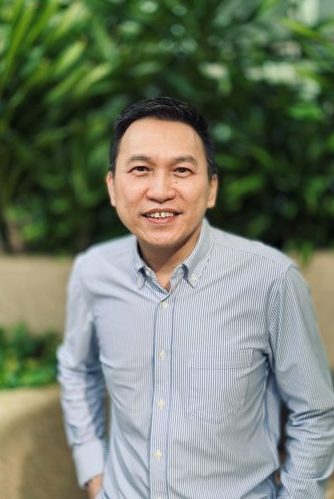
Alvin believes in the power of relationships, seeing family homeostasis as the foundation for raising a resilient future generation. A counselling practitioner since 2007, he has worked with various homes and schools, conducting parenting workshops, psychoeducation, and psychometric assessments to evaluate at-risk students for psychological issues. His experience also includes individual counselling and life skills workshops for recovering mental health clients and married couples.
He has served as a pastoral counsellor and ‘Search for Life’ group facilitator in his home church. From 2015 to 2019, Alvin was involved in the MSF Fostering Programme, gaining firsthand experience in child development, trauma, child abuse intervention, and therapeutic parenting techniques, including the Triple P (Positive Parenting Programme).
His clientele spans children, youth, recovering mental health clients, and married couples, whom he supports through counselling and the Prepare-Enrich marriage course. Previously a registered architect, Alvin brings creativity and professionalism into his work, applying therapeutic principles from CBT, EFT, CTRT, the Satir Model, and Systemic Family Therapy to help individuals and couples build resilience and meaningful relationships. He believes that a fulfilling relationship not only enriches self-confidence and self-esteem but also gives life deeper meaning.
Professional Qualifications
Master of Social Science in Professional Counselling, Swinburne University of Technology, Australia
Bachelor of Arts in Psychology (Magna Cum Laude), American University for Humanities (AUFH), USA
Diploma & Certificate in Counselling Psychology, LEE Community College, Singapore
Bachelor of Architecture (Honours), National University of Singapore (NUS)
Accreditation and Certification
Registered Counsellor & Clinical Member with Singapore Association for Counselling (SAC)
Accredited PREPARE/ENRICH Facilitator
Certified Choice Theory & Reality Therapy (CTRT) Practitioner
Gottman Method Couples Therapy (Level 1 and 2)
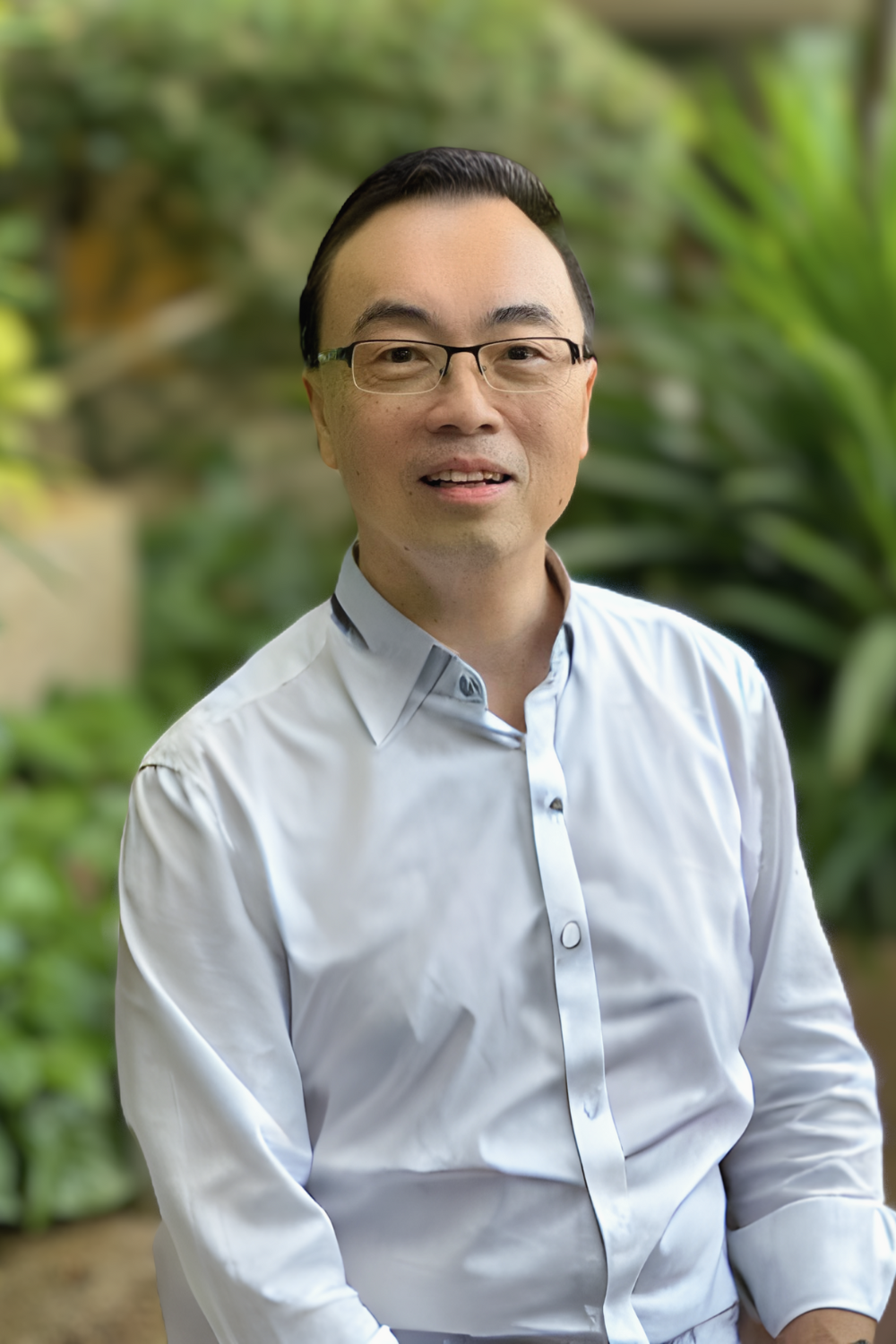
Thomas’s keen interest in counselling started during his long tenure in corporate management since the late 80s. He provided support to many of his peers and staff in dealing with their personal and work-related issues.
When his wife was diagnosed with a chronic illness, Thomas decided to retire early in late 2017 from senior management and pursued his passion in clinical counselling. During his academic study, Thomas tragically lost one of his adult sons to suicide. Struggling to deal with this traumatic event, Thomas learned and healed through many individual and group therapies with the help of a professional suicide prevention organisation.
Having lived through the abyss of grief, sorrow, and even depression, this traumatic experience galvanised and cemented Thomas’ resolve to help the troubled and young people at large. With the support of the organisation, Thomas became an active facilitator-volunteer of support groups for suicide survivors, and an advocate for suicide prevention.
In his professional capacity, Thomas provides counselling with deep conviction and compassion for various issues, including addictions, anxiety, life-transitions, and career coaching. As a father and a caregiver, Thomas is also passionate about helping other caregivers and parents build better relationships with their loved ones and family.
Professional Qualifications
Master of Arts in Counselling, TCA College.
Bachelor of Science (Mathematics), University of Alberta, Canada.
Accreditation & Certification
Gottman Couples Therapy (Level 1, 2)
Prepare/Enrich for Marriages Certified
Accreditation for Emotional Support to Persons with Potential Suicidality & Managing Suicide Crisis Over Phone
Certified Clinical Trauma Specialist – Individual
Advanced Certified Clinical Trauma Specialist – Individual
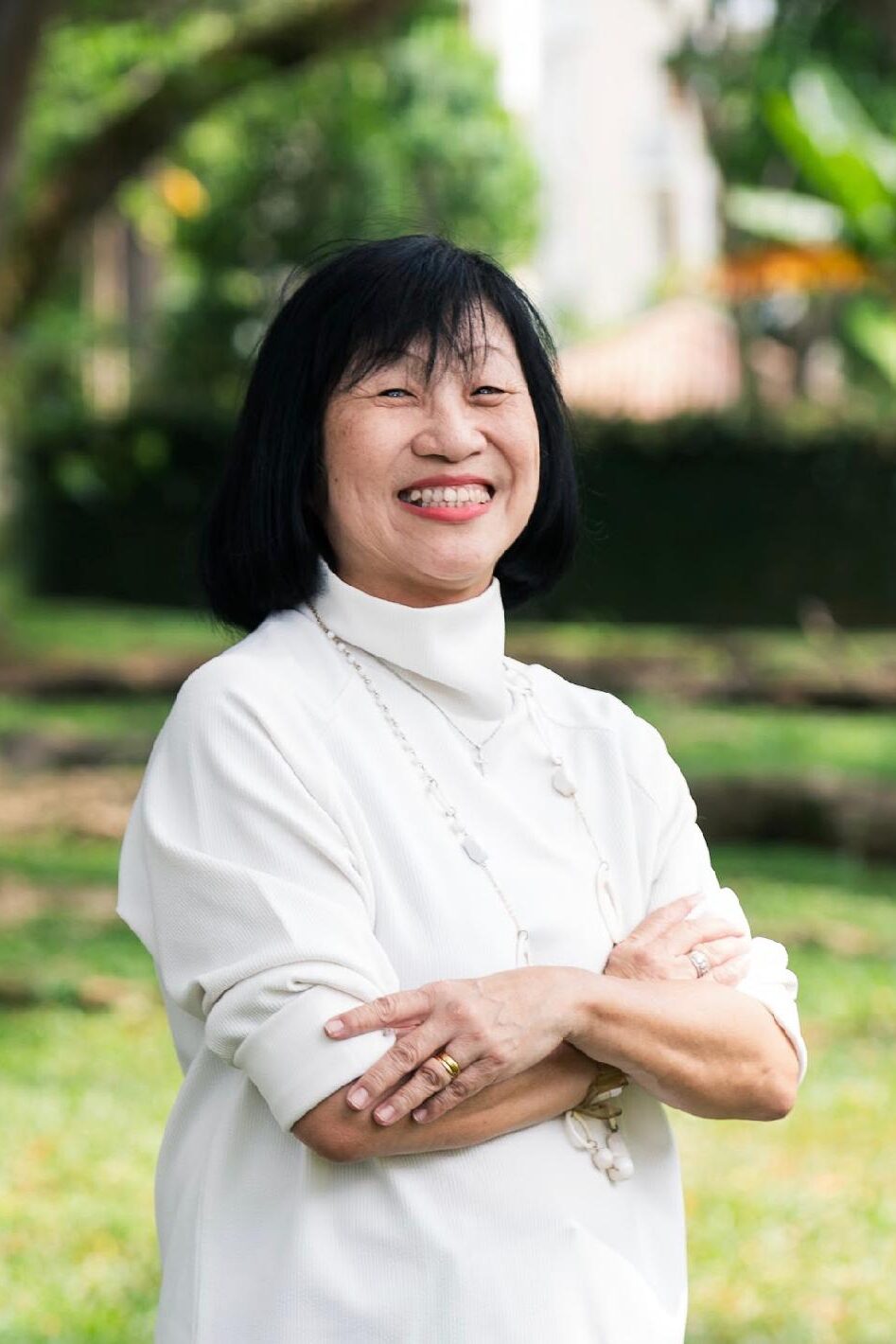
Aye Lan holds a strong conviction that every individual, couple, family, and team deserves an opportunity to heal, restore, and thrive in life.
She believes there is hope for everyone to find a safe space to discover, explore, and develop ways to overcome challenges and find fulfilment in their respective spheres of life. She has corporate experience across various sectors, including media, printing, healthcare, and social services. Yet, what she treasures most are the people and relationships that allow her to journey alongside others and witness their transformation from hurt towards healing, restoration, and wholeness.
She is grateful for the many opportunities to walk alongside those who hurt silently, grieve on their own, or long to be understood and accepted. For those who feel lost in the maze of life, she hopes to help them regain their sense of identity and purpose, and discover hope where they once saw none.
She has worked with people from diverse backgrounds, ages, and walks of life, particularly youths, young adults, and seniors. She employs the Gottman Couples Therapy approach in her work with couples and has also received training in handling trauma and grief. She conducts marriage preparation and works alongside her husband in the pursuit of restoring relationships in families and among couples to health.
Professional Qualifications
Master of Arts in Counselling, TCA College (Singapore)
Bachelor of Social Sciences, Honours, National University of Singapore
Bachelor of Arts, National University of Singapore
Graduate Diploma in Personnel Management, Singapore Institute of Management
Accreditation and Certification
Gottman Method Couples Therapy (Level 1 and 2)
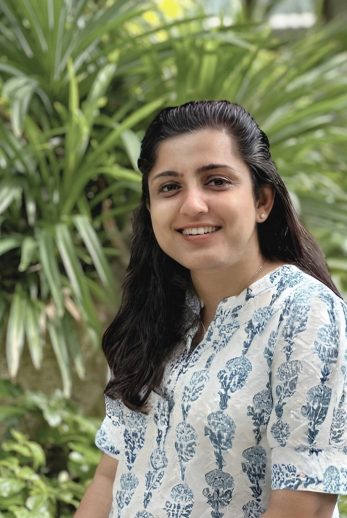
Sapna believes that all of us, at some time or the other, will hit bumps on the road. When we hit big bumps, we may need a safe, caring space to be listened to deeply and understood. This is where Sapna believes that counselling can play a big part.
Sapna is deeply passionate about being trauma sensitive in her work with her clients. Past trauma can hijack our responses to triggers or stimuli. Learning how to get our power back from the same cycles of “fight”, “flight”, “freeze” and “fawn” responses is an integral part of the recovery process. She is certified as a trauma specialist and is trained in Eye Movement Desensitization & Reprocessing (EMDR).
Apart from individual work, she also works with couples using the Gottman Method. Couples need a safe space to work on the bumps in their relationship and to weave a new way to reconnect in a meaningful way.
Sapna is also passionate about working with children using Play Therapy. Children may not have language skills that adults possess and hence may be unable to articulate their feelings. Play therapy helps create a safe space for the child to explore their emotions and deal with feelings that may be linked to an unresolved trauma. Through play, children can learn new coping mechanisms and how to redirect inappropriate behaviours.
In her free time, Sapna loves to watch waves on the beach, finding that perfect cup of coffee or the pursuit of perfectly baked bread.
Professional Qualifications
Master of Arts in Counselling, TCA College (Singapore)
Accreditation and Certification
Registered counsellor with Singapore Association for Counselling (SAC)
Eye Movement Desensitization & Reprocessing (EMDR) Training Parnell Institute of EMDR
Advanced Clinical Training Program in Child Centred Play Therapy (Play Therapy Australia)
Cognitive Behaviour Therapy training (Beck’s Institute for Cognitive Behaviour Therapy)
Gottman Method Couples Therapy (Level 1, 2 and 3)
Certified Clinical Trauma Specialist – Individual
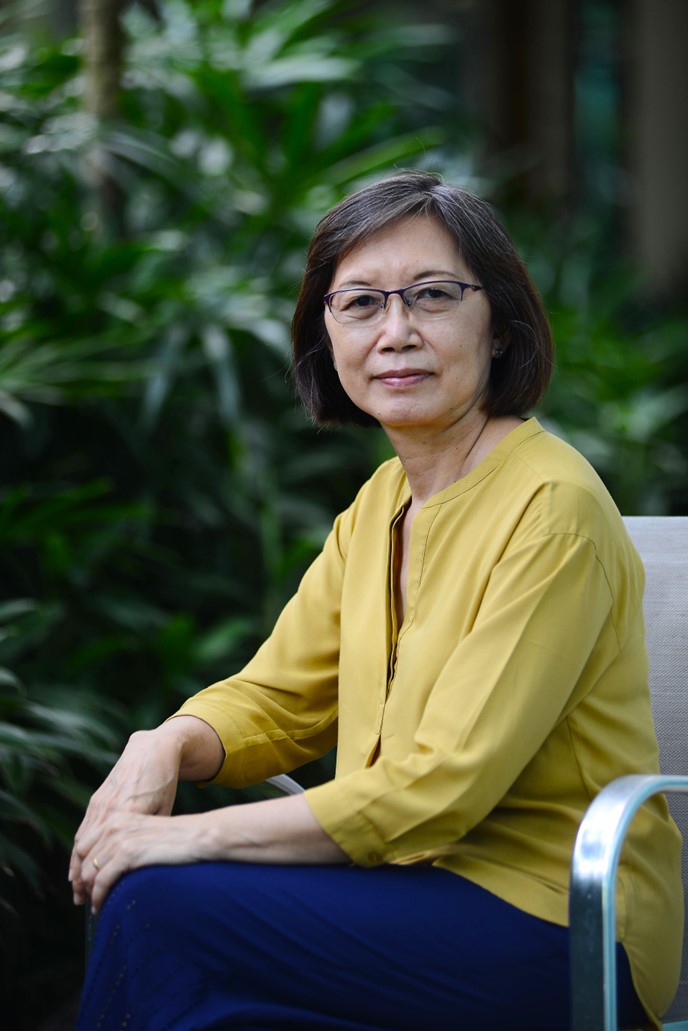
During her counselling career of over 20 years, Soh Hiang has worked as a counsellor, trainer, speaker, work life consultant, counselling manager, marriage and family therapist, and wellness coach. Having worked in India and China, she had personal experiences of transitioning into a new culture that equipped her to work with expatriates and people from diverse cultural backgrounds.
She enjoys working with both adults and couples either individually or jointly. Using an integrative approach, she strives to stay attuned to the whole person to help clients understand themselves and their responses to situations better. She has a heart for young adults who struggle with adjusting to life and mental heath difficulties. Her work with couples utilises various evidence-based couples therapy stated below to prepare clients for marriage and help enhance and repair marriages in cases of betrayal.
Her passion in her field makes her a continual learner to connect deeply with herself and her clients. She seeks to empower them to understand and handle their relationships with themselves and others in more effective ways.
Believing in nature’s healing touch, she enjoys forest-bathing, nature walks, and strolling along the beach.
Professional Qualifications
Master of Science in Psychology (University of Madras)
Graduate Diploma in Theology (Discipleship Training Centre, Singapore)
Bachelor of Applied Science in Computer Science (Royal Melbourne Institute of Technology, Melbourne, Victoria, Australia)
Accreditation and Certification
Registered Counsellor with Singapore Association for Counselling (SAC)
Registered Supervisor with Singapore Association for Counseling (SAC)
Cognitive Behavioural Therapy (CBT)
Certified Choice Theory/ Reality Therapy (CTRT)
Certified facilitator and trainer for Prepare/Enrich
Gottman Method Couples Therapy (Level 1, 2)
Emotion Focused Therapy (Level 1,2,3,4)
Emotionally Focused Couple Therapy
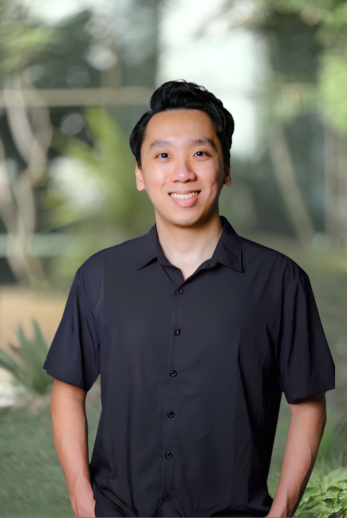
Xue Rui believes that everyone deserves a space where they can be truly heard, understood, and supported as they navigate life’s challenges.
Specialising in working with young adults (21–35), he provides compassionate support for those experiencing depression, anxiety, mood dysregulation, and life transitions—particularly the unique pressures faced by young professionals in today’s demanding world.
With a decade of leadership experience in finance and corporate development before transitioning to counselling, Xue Rui brings a unique perspective to therapeutic work. He understands firsthand the weight of workplace pressures, career transitions, burnout, and the identity questions that often arise when navigating professional life.
This background allows him to connect authentically with clients facing similar challenges, offering both empathy and practical insight as they work through complex decisions, build resilience, and clarify what truly matters to them.
Xue Rui’s approach is integrative and collaborative. He draws from systemic therapy, Cognitive Behavioural Therapy (CBT), Internal Family Systems (IFS), Brainspotting, and Somatic Experiencing to tailor support to each client’s unique needs. By combining talk therapy with somatic and trauma-informed approaches, he helps clients process emotions, regulate their nervous systems, and develop meaningful coping strategies.
His practice is grounded in building strong therapeutic alliances, co-creating clear goals, and regularly reviewing progress to ensure therapy remains responsive and outcome-focused.
Committed to ongoing growth and ethical practice, Xue Rui maintains regular clinical and site supervision, engages in personal therapy, and actively pursues professional development in emerging trauma and somatic modalities.
Professional Qualifications
Master of Counselling, Flinders University
Bachelor of Social Sciences (Economics), Nanyang Technological University
Accreditation and Certification
Brainspotting Phase 1
Internal Family Systems Level 1 (Trained)
Somatic Experiencing (Trained)
Tension and Trauma Releasing Exercises (TRE) (Trained)
Gottman Method Couples Therapy (Level 1 and 2)

Casey is a psychotherapist and PhD candidate in International Psychology (Trauma Services), with experience supporting adults through trauma, addiction, substance misuse, grief, and relational challenges. She specialises in complex, deep-rooted emotional work—helping individuals navigate PTSD, developmental trauma, and the lasting impact of crisis.
Her clinical approach is grounded in trauma-informed care, integrating neuroscience, memory reconsolidation, and relational depth. Casey works exclusively with adults, particularly those facing emotional overwhelm, recovery from substance misuse, relational breakdowns, or the quiet ache of long-term struggle. She has also contributed to the EMCC-Barclays LifeSkills Programme, supporting adults through the emotional impact of job loss and career transitions, with particular expertise in helping individuals rebuild identity, stability, and purpose in the wake of change.
Influenced by the global mental health field, Casey’s doctoral research examines trauma services through an international and culturally attuned lens. She is passionate about holding space for complexity, restoring dignity through therapy, and creating pathways to resilience—one story at a time.
Professional Qualifications
Master of Counselling, Flinders University
(Ongoing) Ph.D. International Psychology, Trauma Services Concentration, The Chicago School
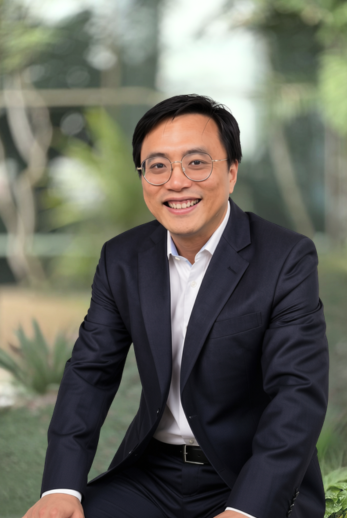
Dr Wei Ker-Chiah is a Senior Consultant at Garden Grove, a psychiatry practice with clinics in Joo Chiat and Mt Alvernia Hospital. With more than 25 years of clinical experience, he was previously the Head of the Department of Community Psychiatry and subsequently a Region Chief at the Institute of Mental Health (IMH).
Known to be a kind and caring doctor, he believes in providing accessible psychiatric care to the community, and empowering everyone to reach their best potential in the road to recovery.
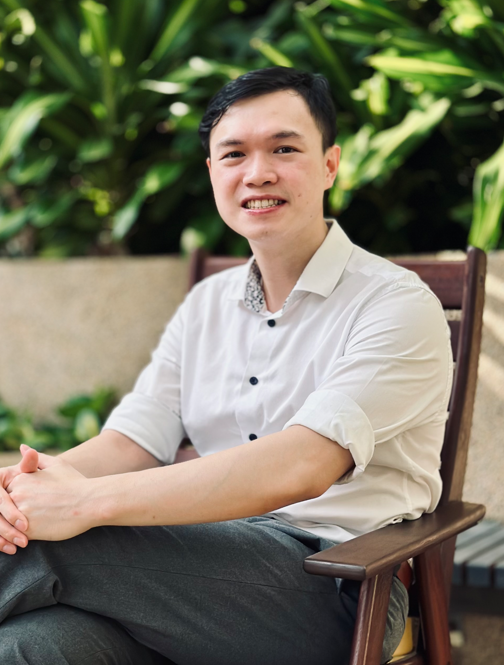
Vincent’s background stems from providing therapeutic services and conducting psychological assessments at a psychiatric clinic within a medical center. He has also taken up roles of a youth and community counsellor in charity organisations. Presently, he see cases ranging from cabin crew members to addictions to workplace stress/bullying. One of his passion areas is conducting psychological assessments for children, teenagers and adults. He recognises the need to work within a multidisciplinary team where holistic care can be provided to all of his clients. He formulates his treatments and assessments through multi-faceted approaches of clinical interviews, psychometric measures, clinical observations and external evaluations.
With his youth, he takes on a mentoring approach for children and teenagers who face difficulties in schools. He utilises the relatability he has with many of his clients as a way to build a strong alliance during his sessions. He firmly believes that the individuals themselves possess the ability to change their future. He works well with adults who prefer a therapist who employs an engaging, efficient, and enthusiastic approach.
For further professional training, Vincent has completed therapy training in Cognitive Behavioural Therapy (Beck’s Institute), Gottman Methods (1 & 2) (Gottman Institute), and EMDR Institute. He also has further training in administration of psychological assessments and undergoes continued professional supervision in his doctoral programme.
Professional Qualifications
Doctorate of Clinical Psychology (PsyD. Clinical Psychology) (Candidature)
Masters in Counselling (Distinction)
Bachelor of Science, Psychology (Hons), (First Class)
Accreditation and Certification
Singapore Association for Counselling (PCM)
Singapore Psychological Society (MSPS)
Beck’s Institute (Cognitive Behavioural Therapy)
Gottman Institute (Gottman Couples Method Therapy Level 1 & 2)
EMDR Institute (Eye Movement Desensitization and Reprocessing – Trauma)
MHS CONNERS-4 & CAARS-2 Training
Pearson Vineland-3 Training
Pearson Clinical/Psychological Test Administrator
Pearson WISC-V Training
*Note: Psychologists are not medical doctors and do not hold a medical/dental license. Doctoral candidates are also doctoral provisional psychologists who undergo professional clinical supervision.

FAQs about the Marriage Preparation Programme
1. Are there counsellors who provide counselling in Mandarin or dialects?
Yes. EMCC has counsellors who are able to conduct sessions in Mandarin. Where possible, we will match you with a counsellor who is comfortable in your preferred language.
If you require support in a specific dialect, you may indicate this when making your enquiry. We will do our best to explore suitable arrangements, depending on availability.
2. How long is a counselling session?
A counselling session typically lasts about 60 minutes.
This allows sufficient time to explore your concerns in a focused and structured way. Depending on the areas, our counsellor may discuss with you on adjustments to the session length if necessary.
3. How many sessions on average would I need?
Everyone’s journey is different. Some clients find a few sessions helpful for addressing a specific concern, while others benefit from ongoing support, particularly when exploring more complex or longstanding issues.
Your counsellor will review progress with you along the way and discuss what pace and duration feel appropriate for your situation.
4. Do I get to choose my counsellor?
Yes, you’re welcome to choose your preferred counsellor. Do note that selecting a specific counsellor comes with an additional $20 on top of the standard hourly counselling fee.
If you have questions about the assignment, you may check with our Client Service Team.
5. Are my counselling sessions treated as confidential?
Yes. Counselling sessions are conducted in a private and confidential setting.
Information shared during counselling will not be disclosed to others without your consent, except in circumstances required by Singapore law or where there are concerns about safety or life threats. You may approach your counsellor for clarification on the limits of confidentiality at the start of the process so that you understand how your information is handled.
6. Is counselling more effective than mediation?
Counselling and mediation serve different purposes, so one is not necessarily more effective than the other.
Counselling focuses on an individual’s emotional and psychological well-being, and may address personal struggles, relational patterns, or life transitions. Mediation, on the other hand, is designed to help two or more parties resolve a specific conflict between them.
If you are unsure which service is more suitable for your situation, our team can guide you during your enquiry.